Honoured Members Database
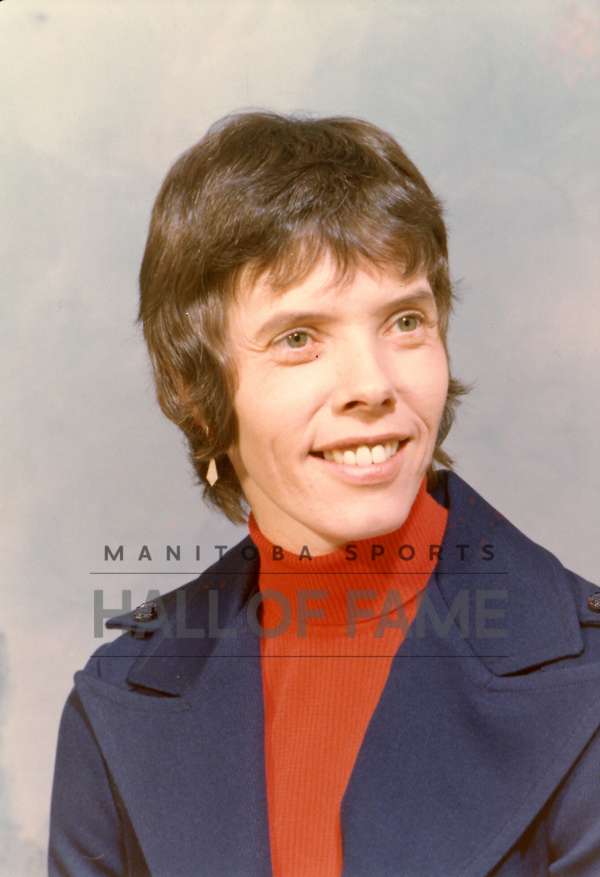
Barbara Heaps
Builder
2007
Date of Birth: August 26, 1939
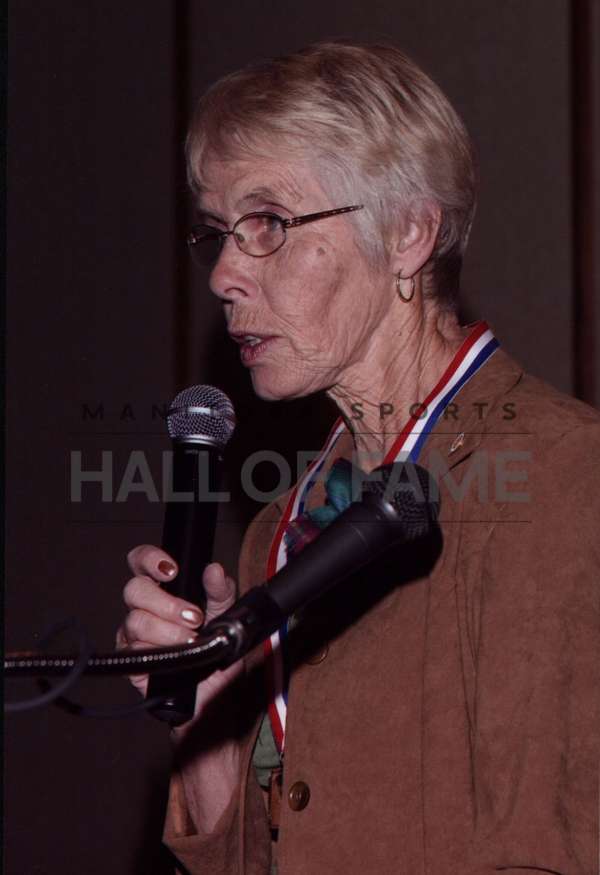
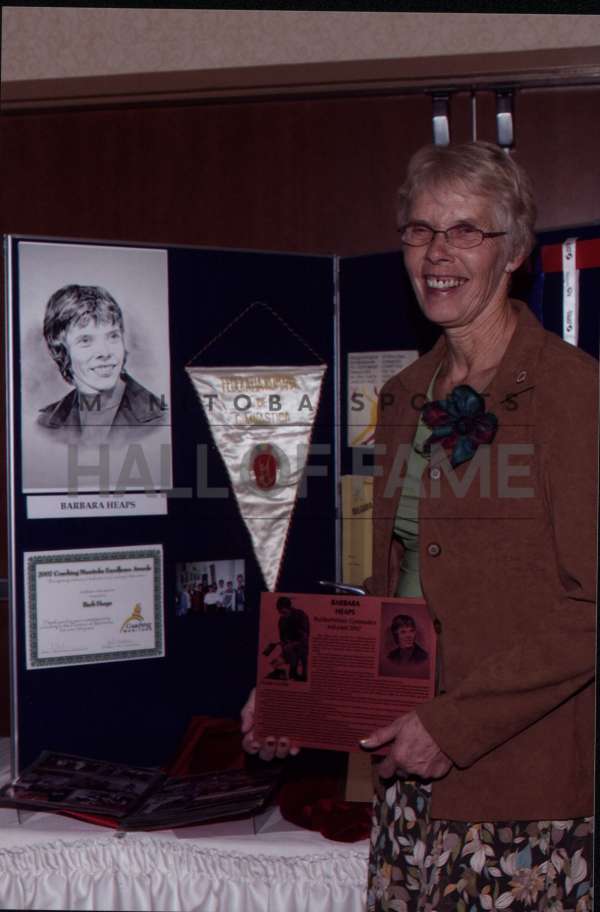
Barb Heaps developed her love of coaching while studying physical education at the University of Alberta. She just never expected to teach anyone a gymnastics routine, because Heaps started out not as a gymnast, but as a swimmer. But it is her lengthy career as a gymnastics coach spanning almost five decades that will be recognized with induction into the Manitoba Sports Hall of Fame.
“That's not something I ever aspired to achieve,” Heaps said. “I just loved teaching. I still do.”
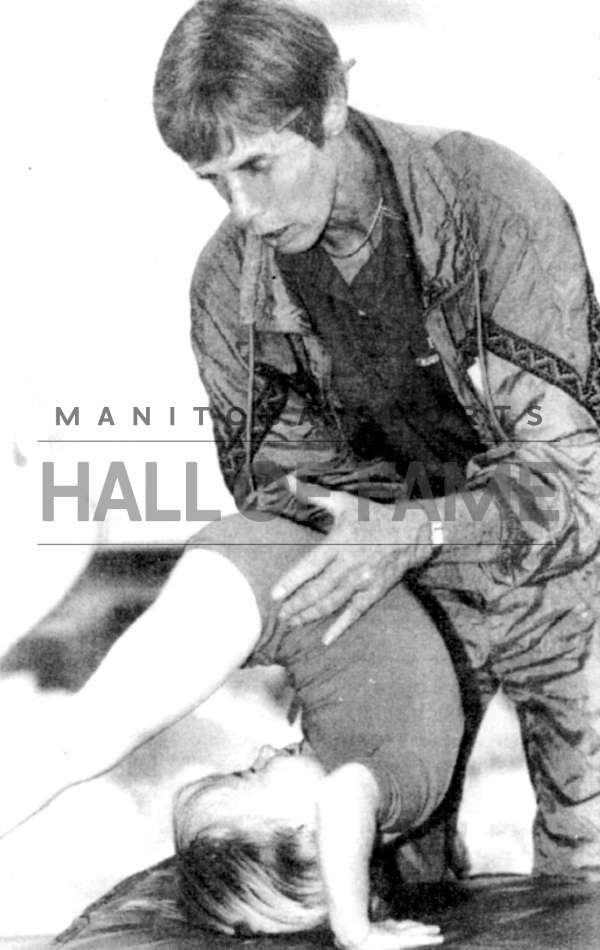
Heaps' start in gymnastics came as an instructor at a YWCA class in Edmonton, initially out of curiosity; she found gymnastics an interesting sport, where you are never finished learning. She had to learn quickly too. Once, when Heaps and her gymnasts travelled to Saskatoon to a meet, the students actually saw parallel bars for the first time. But they learned quickly, which seems to be the nature of the sport. Gymnasts have to constantly work on their strength and flexibility, their focus and their endurance. Many practice hours take place in the gym, where choreography, dance and athletics merge into the four basic gymnastics events: vault, bars, beam and floor exercises.
Heaps believes strongly in the value of competition and often took students as far as Reno, Nev., or Omaha, Neb., so her students could learn from their experiences. After a move to Winnipeg, Heaps started the Limberettes in 1973 and produced several top athletes who went on to Canada's national team, such as Cathy Coles, the first Canadian to do an aerial walkover in competition, and Judy Zetaruk.
Heaps then worked with the national team and travelled behind the Iron Curtain to competitions such as the prestigious Riga News meet in Moscow, and also to Romania in 1975, where then up-and-coming Nadia Comaneci made appearances.
Heaps recalled when a highly regarded sport official, Boris Bayin, made regular trips to smaller provinces to test athletes and offer pointers. “That really helped,” Heaps said. “The gymnasts got better because they knew what it took to make a national team, and the coaches saw what they needed to teach to get their students to that level.”
After the Limberettes folded in 1987, Heaps worked with the Winnipeg-based Springers. She moved to Brandon in 1993, to coach the Eagles, whose athletes needed to modify their training based on the building's 80-foot by 80-foot space. “You need a 100-foot run up to the vaults, so we would have to open the fire doors so athletes like Ashley Fairbairn and Jenna Kerbis could train,” Heaps said.
The club's tradition of excellence grew under Heaps. Some of her influence remains, as gymnasts she taught stayed in the sport and brought their own kids into the club when they were old enough. In fact, at her retirement, Heaps had started to see a third generation take up the sport. The Eagles kept its athletes involved, as athletes or coaches, and sometimes as judges.
Heaps remained involved with the gymnastics community as a co-ordinator of events hosted by the Eagles club, such as the Western Canadian championship, or nationals.